
Portable 24:1 Pulley Winch
Serious pulling power without a motor, battery or heavy gearbox. TackleWinch puts high mechanical advantage into a compact 3.3 lb kit you can keep in your vehicle.
MECHANICAL
ADVANTAGE
1.5 kg / 3.3 lb
1.5 m stroke
Mechanical advantage you can actually carry
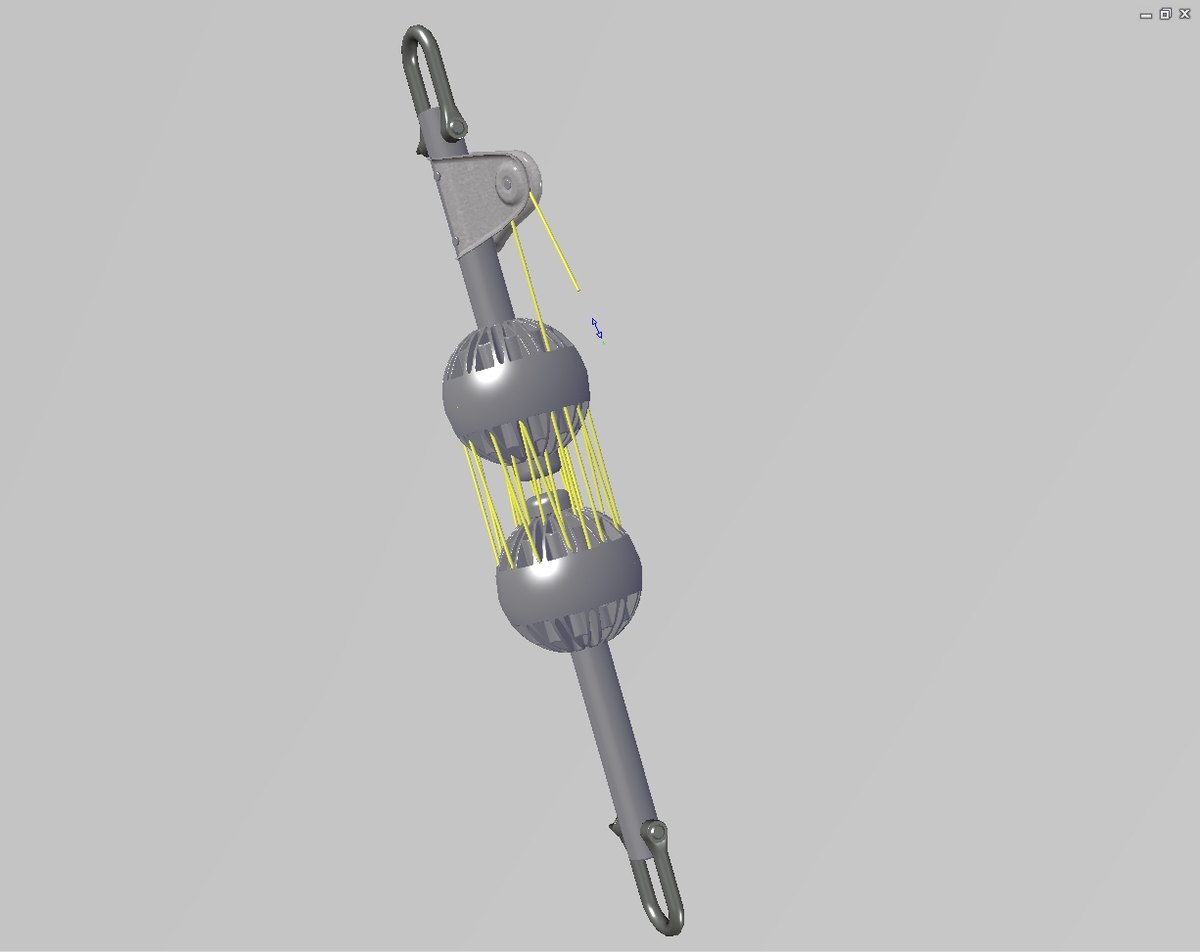
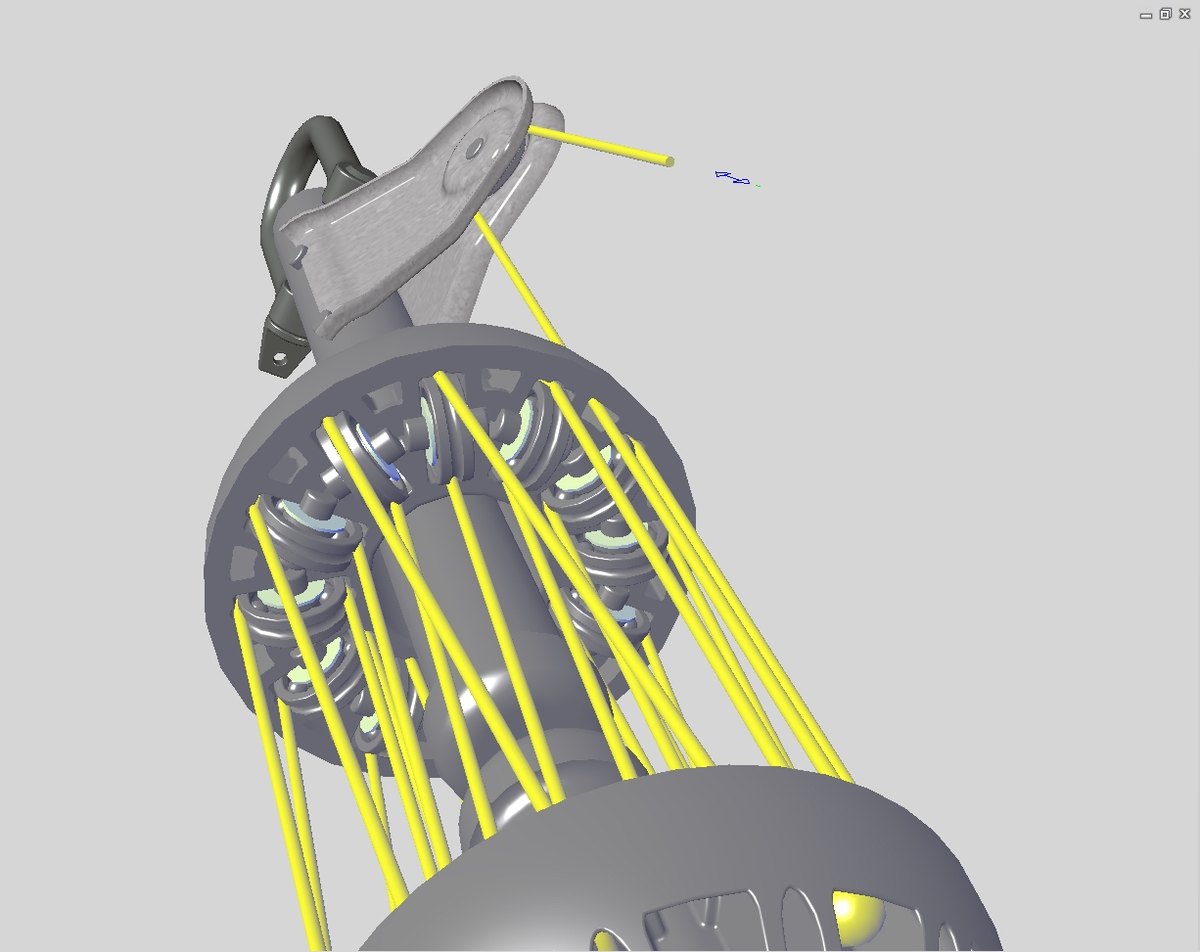
TackleWinch uses two compact multi-roller assemblies and multiple working rope sections to create a theoretical 24:1 mechanical advantage. One person can apply pulling force gradually without relying on electricity, fuel or a permanently mounted winch.
The system packs into approximately 17.7 × 5.9 × 3.9 in and weighs only 3.3 lb, making it practical for a truck, SUV, workshop, farm or emergency kit.
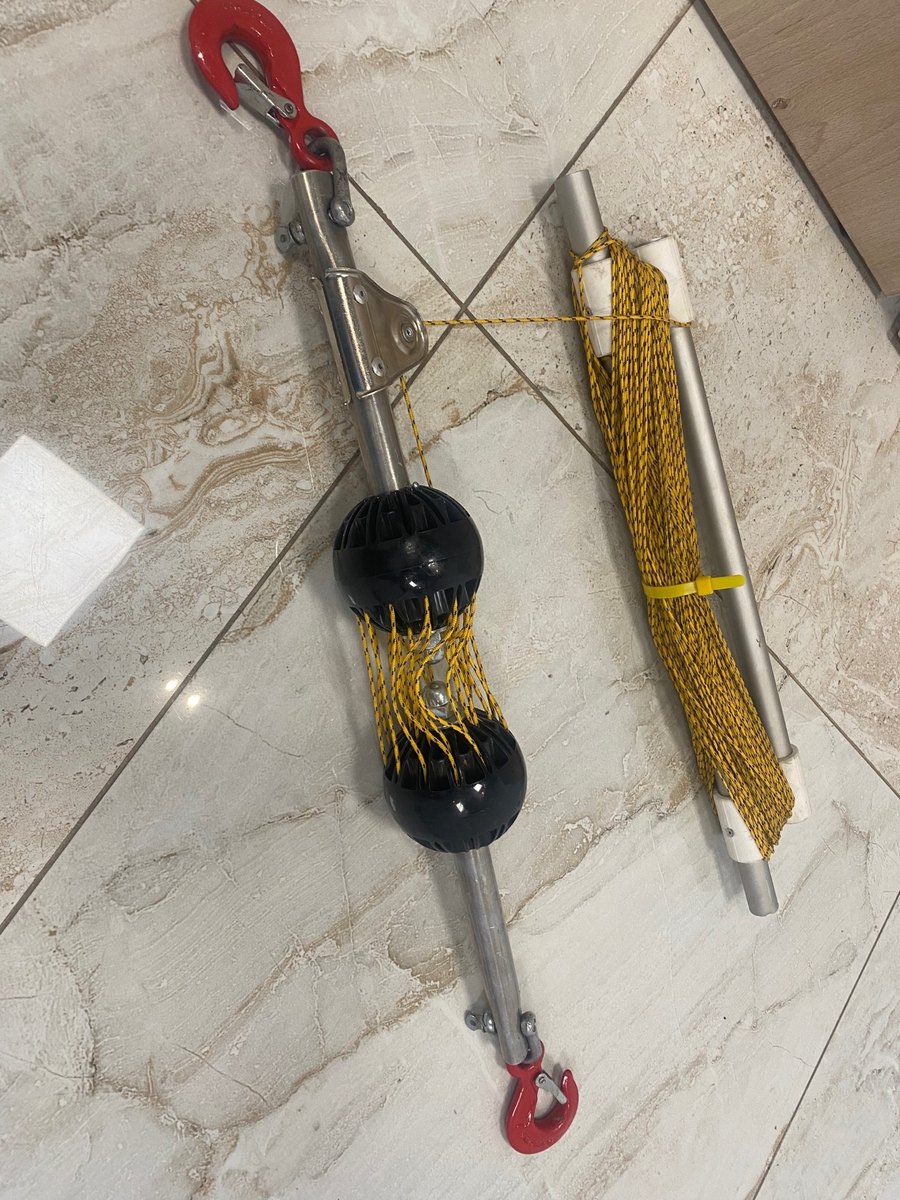
A compact pulling system you can keep in your vehicle
The current kit weighs about 3.3 lb and includes the pulling system and synthetic rope.
Designed for reduced recoil risk
Traditional ratchet pullers and cable come-alongs often concentrate the pulling load in one highly tensioned line. When that line fails, stored energy can be released as dangerous snap-back.
TackleWinch distributes the load through many rope sections. An individual section therefore carries substantially less tension than the primary line of a comparable direct single-line pull.
One highly loaded line
Energy is concentrated in a primary cable or rope.
Distributed multi-line load
Force is shared across multiple working rope sections.
One compact tool. Serious jobs.
01
Vehicle Recovery
Additional manual pulling force for mud, snow, sand and difficult terrain.
02
Stump Removal
Apply high mechanical advantage gradually for roots, stumps and landscaping work.
03
Heavy Objects
Move equipment and awkward loads with controlled manual input.
04
Field & Utility
No battery or fuel required — useful where powered equipment is inconvenient.
Patented. Portable. Purely mechanical.
The compact circular pulley architecture fits 24 rollers into two protected assemblies. The result is a pulling system designed around portability, mechanical advantage and controlled rope behavior.
Keep serious pulling power within reach.
Planned U.S. retail price: $179.
TackleWinch is currently being prepared for production-market testing. Published Working Load Limit and lifting ratings will be based on validated testing of the complete production assembly. Proper anchoring, inspection and safe operating practices are always required.